
June 11, 2026 | (7 mins 42 secs)
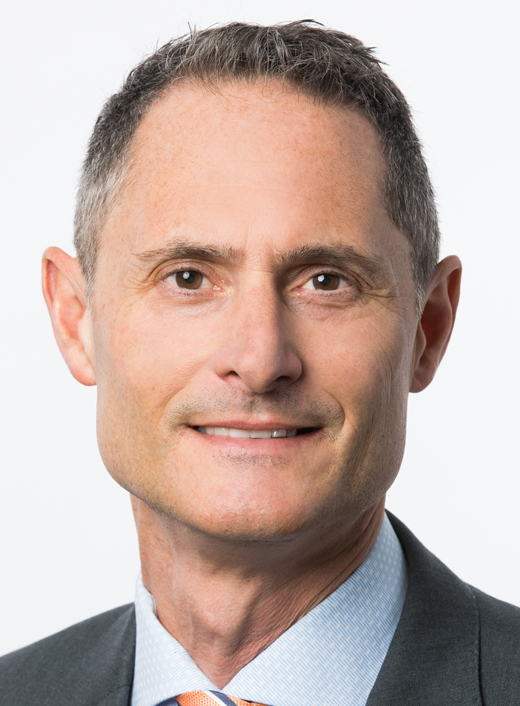
In this episode of Metals in Motion, John Ciampaglia, CEO of Sprott Asset Management, discusses how ongoing disruptions are reinforcing the strategic role of nuclear energy, and why uranium is increasingly viewed as a critical input in building resilient, reliable power systems. As governments accelerate investment and policy support, the key question becomes: can supply keep pace with rising demand?
Video Transcript
Thalia Hayden: You're watching Metals in Motion. I'm Thalia Hayden with ETFguide. We're glad to see you again. The global energy map is being redrawn in real time. As volatility in the Middle East puts the world's oil and gas arteries under pressure, the conversation has shifted from the pipeline back to the reactor. In a world of geopolitical upheaval, energy security isn't just a goal; it's a survival tactic. This is why nuclear power is reclaiming the global spotlight. Joining us now to discuss this further is John Ciampaglia, CEO at Sprott Asset Management. Welcome, John.
John Ciampaglia: Thank you for having me back.
Thalia Hayden: For nuclear energy, the narrative has shifted from alternative energy to mission-critical baseload power. How does nuclear power compare to other energy sources?
John Ciampaglia: This conflict in the Middle East has had an incredible impact on several supply chains, whether that's oil, gas, LNG and other derivative products like sulfuric acid or urea. And it is having an incredible impact on countries that depend on that region for their fuel and other industrial commodities. And this highlights that uranium, the fuel for nuclear energy, has been absolutely uninterrupted and unaffected by this conflict. It helps illustrate the benefit of diversifying your energy mix, meaning producing electricity from many different sources so you're not overly reliant on one type of fuel or one type of supplier. And this is the second energy shock we've had in just four years, highlighting the benefit of nuclear energy: it has very high density and operates continuously, which is why it's called baseload power.
Thalia Hayden: We see big capital flooding into nuclear projects. Recent deals include large-scale partnerships to deploy next-gen reactors and restart dormant projects. How is the surge in institutional money changing the game for uranium and the nuclear sector?
John Ciampaglia: There is a scramble right now to secure energy. And when I say energy, what I'm referring to is electricity. And what is driving electricity demand? It's things like AI data centers, which are very electricity-intensive operations. And there's an AI race underway right now among the U.S., China and other countries. Everybody wants to be the leader. And one of the big obstacles that we're learning about is electricity. Yes, you need power chips, transmission lines, and the rest. But electricity is proving to be the bottleneck. And this is where nuclear energy enters the story with artificial intelligence, because many of the companies pursuing these AI visions, like Microsoft, Google and Meta, have determined that nuclear energy could be one of the sources to help fill this gap. And so they've announced several financial transactions with large utilities and startup companies developing the next generation of smaller reactors. And they're putting their capital behind these projects. They're often signing very long-dated power purchase agreements at electricity prices well above current market levels. Nuclear is becoming a very important part of the solution to meeting the energy demand growth we're seeing in certain parts of the world.
Thalia Hayden: Uranium demand is accelerating faster than supply. Can miners realistically scale production in time to meet that surge?
John Ciampaglia: It's a really good question, because if you think about how long it would take to build a new AI data center, you're talking about 3, 4, 5 years, perhaps. If you think about how long it would take to build a nuclear power station, that's much longer. And bringing a new uranium mine from discovery to production could take 15 or more years. So there's a real mismatch between the time to build infrastructure for electricity production and the time to bring the necessary fuel to market. And this is why there is a real push right now to restart old mines and expand existing ones. And over the last five years, we've seen uranium production go from 125 million pounds in 2021 to 175 million pounds in 2025. That is translating into higher revenues and profits, and the ability for many of these companies to restart old projects or bring new projects to market. But even with that big increase in production, the market is still experiencing a supply deficit, meaning we're still using more uranium than we're producing. And that number is only going up from here as more new reactors come online and more new designs are in the works. That supply deficit is in place, and it's only going to get worse, which is ultimately bullish for the commodity price and the related uranium mining companies.
Thalia Hayden: Uranium miners have delivered strong returns over the past one, three, even five years, outperforming the S&P 500. As we move through 2026, how is the sector performing today, and what's driving the latest momentum?
John Ciampaglia: I think everyone is connecting the dots that I just laid out around how nuclear energy is going to receive a larger share of the overall electricity pie in the coming years, as countries look to diversify and add more load growth to their systems. Investors see this opportunity and see increases in production and in commodity pricing. In 2020, uranium prices were around $25 a pound. Now we're talking about the high 80s per pound. There's been a real lift. And valuations of these companies have increased to reflect that. That's why capital is returning to the sector. We've seen strong inflows into physical uranium products, including our own, as well as into uranium mining ETFs globally. A lot of capital is coming in because investors see that the fundamentals are durable. And they are expected to play out for many years. This is a theme that we think is still in the early innings. And it is a very long duration cycle. This is why the returns have been robust, because there's been a real wholesale rerating of the industry as it's come back into favor.
Thalia Hayden: Thank you, John. And that does it for today's episode of Metals in Motion.

Investment Risks and Important Disclosure
Relative to other sectors, precious metals and natural resources investments have higher headline risk and are more sensitive to changes in economic data, political or regulatory events, and underlying commodity price fluctuations. Risks related to extraction, storage and liquidity should also be considered.
Gold and precious metals are referred to with terms of art like "store of value," "safe haven" and "safe asset." These terms should not be construed to guarantee any form of investment safety. While “safe” assets like gold, Treasuries, money market funds and cash generally do not carry a high risk of loss relative to other asset classes, any asset may lose value, which may involve the complete loss of invested principal.
Past performance is no guarantee of future results. Investments, commentary and statements are unique and may not be reflective of investments and commentary in other strategies managed by any other Sprott entity or affiliate. Opinions expressed in this presentation are those of the presenters and may vary widely from opinions of other Sprott affiliates. Forward-looking language should not be construed as predictive. While third-party sources are believed to be reliable, Sprott makes no guarantee as to their accuracy or timeliness. This information does not constitute an offer or solicitation, nor an investment advice or recommendation, and may not be relied upon or considered to be the rendering of tax, legal, accounting or professional advice.