
September 24, 2026 | (10 mins 12 secs)
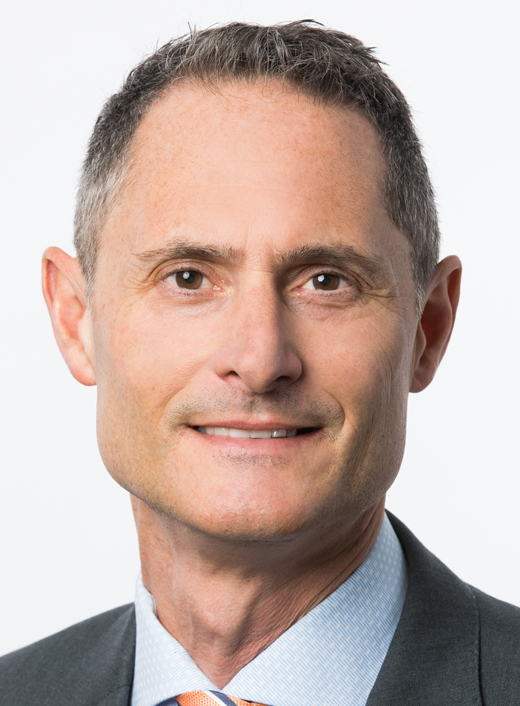
In this episode of Metals in Motion, John Ciampaglia discusses the strengthening outlook for nuclear energy and what this may mean for uranium and uranium miners. He highlights the key theme from the World Nuclear Symposium: the industry is moving from ambition to action, backed by growing government support, private capital and increasing investor interest.
Video Transcript
Thalia Hayden: You're watching Metals in Motion. I'm Thalia Hayden with ETFguide. Joining us now is John Ciampaglia, CEO at Sprott Asset Management. John, welcome back. It's great to see you again.
John Ciampaglia: Great to see you.
Thalia Hayden: You attended the World Nuclear Symposium with many of the industry's major players. Were there any key takeaways that shaped your view of where nuclear is heading now?
John Ciampaglia: For this year's conference, the big theme was turning ambition into bold action. That was the overarching message. And I thought it described the situation in nuclear energy perfectly, because the industry has been given the green light by governments and by public and private capital to move forward, help decarbonize the world, produce more baseload power and deliver more electricity to emerging economies. They have the green light to put these ambitions into action. That's what the industry was meeting to discuss: how to do that and how to deal with some of the challenges involved in capitalizing on these opportunities. From the investor perspective, which is why I'm there, I can tell you that this year’s conference had the largest number of investors and banks hosting investor events that I have seen in the past few years. That sends a strong message that investors are there in London because they're attracted to the opportunity. They want to learn more about the fundamentals and what's happening. Overall, the mood was very bullish.
Thalia Hayden: We are seeing record electricity consumption from AI workloads, EV charging and industrial reshoring. How is this new demand profile reshaping the case for nuclear as a long-duration, high-capacity baseload solution?
John Ciampaglia: In the last four or five years, energy security has become part of our day-to-day language. This has been brought on by several energy market crises in recent years, including one that began in 2022. The world is rethinking the importance of electricity and energy. Reliability and affordability are critical because without reliable, affordable electricity, our economies and day-to-day lives are affected. The industry is looking holistically at everything; it's all of the above, depending on where you are in the world, what mineral endowments or energy endowments you have, what sources you have of electricity, whether it's hydroelectric power, solar power, wind power or hydrocarbons.
Nuclear energy is back in the mix because, as you mentioned, it provides something very important: baseload power, meaning that once nuclear reactors are operational, they can run for years without being refueled. That is important, as it is the backbone of your grid. The grid is very fragile. It needs to be perfectly balanced. And nuclear is an important part of that baseload power story.
Thalia Hayden: That makes sense. John, more than 140 reactors are planned or under construction worldwide. What does this say about long-term nuclear adoption, and how should investors interpret this trend within the broader energy transition?
John Ciampaglia: For years, we saw stagnant growth with respect to nuclear energy, meaning we had new reactors being built in some countries, and others were being closed because they had reached the end of their operating lives or no longer had sufficient support. As a result, net growth was flat. Now you're seeing 440 operating reactors. Many of them are getting life extensions that allow them to operate for up to 80 years, or even longer. There are a number of countries with aggressive new-build programs, and China is the leader there. But other countries like India have big ambitions as well. We have a whole host of other countries exploring nuclear energy for the first time, such as Poland, Kazakhstan and Uzbekistan. We also have approximately 440 reactors, with 80 more under construction, which suggests people are making sizable investments. These are not inexpensive pieces of infrastructure to build. To us, the fact that 80 projects are in various stages of construction validates the technology and signals to investors that people are not going to be building all of these power stations without the required fuel, which is uranium. This is what's attracting a lot of investors, because of the demand that's coming into this pipeline over the coming decades.
Thalia Hayden: Let's talk uranium. You just mentioned that supply has been tight for years due to underinvestment, geopolitical constraints and slow project restarts. What are the key supply bottlenecks investors should understand as demand continues to rise?
John Ciampaglia: We've solved a number of the bottlenecks we've had in the past. And the biggest one was low prices. Nobody's going to invest in and build a new uranium project without sufficient prices to justify it, and you need demand. If you don't have growth in nuclear energy, you're not going to have a growing demand profile for it to reach market production. We solved the price issue, as uranium prices have tripled over the last five years, which is very constructive. We have a lot more demand coming as new reactors come online. And that's a very interesting dynamic. Capital is returning to the sector. Projects are finally moving forward after being stuck for several years. Governments are acknowledging that the permitting process for these new projects has been too onerous, too expensive and too time-consuming. They are finally starting to rethink one of the key obstacles: time-to-market. All of these things are setting up a great opportunity for projects to finally come to market, which means companies will be able to go from no revenue while an asset is in the ground to revenue when they're selling their production. These companies are finally able to raise money, build their projects and start selling some of the uranium to utilities, which very much need it. There's a very strong symbiotic relationship between the producers and the end users. They need to reach mutually agreed-upon terms so that these projects can help fill the supply deficit the industry has faced over the last few years due to sub-economic conditions.
Thalia Hayden: Utilities are returning to long-term contracting cycles to secure fuel. How meaningful is this shift for uranium demand, and what does it suggest about the durability of the nuclear growth story?
John Ciampaglia: That's a great question. First, we start with electricity prices, which are incredibly high right now. Not only are electricity prices high due to incredible demand, but certain companies, such as Google and Microsoft, are willing to step in and backstop a new energy development project or restart a closed project with very long-term power purchase agreements. These agreements may extend for 20 years and offer electricity rates that are twice the prevailing rate. They're basically doing this to secure the electricity needed for their projects. We just saw an announcement from Google and a Finnish utility: Google is investing about $15 billion in the power station to extend its life, securing electricity for AI data centers it wants to build in the country. Two or three years ago, we would never have imagined a combination of business transactions like that. This is a new frontier, and we think there are more transactions of this kind to come.
Thalia Hayden: We certainly learned a lot. Thank you so much, John, for joining us. We appreciate your time and insights. Keep up the great work.
John Ciampaglia: Thanks for having me. It was good to chat.
Investment Risks and Important Disclosure
Relative to other sectors, precious metals and natural resources investments have higher headline risk and are more sensitive to changes in economic data, political or regulatory events, and underlying commodity price fluctuations. Risks related to extraction, storage and liquidity should also be considered.
Gold and precious metals are referred to with terms of art like "store of value," "safe haven" and "safe asset." These terms should not be construed to guarantee any form of investment safety. While “safe” assets like gold, Treasuries, money market funds and cash generally do not carry a high risk of loss relative to other asset classes, any asset may lose value, which may involve the complete loss of invested principal.
Past performance is no guarantee of future results. Investments, commentary and statements are unique and may not be reflective of investments and commentary in other strategies managed by any other Sprott entity or affiliate. Opinions expressed in this presentation are those of the presenters and may vary widely from opinions of other Sprott affiliates. Forward-looking language should not be construed as predictive. While third-party sources are believed to be reliable, Sprott makes no guarantee as to their accuracy or timeliness. This information does not constitute an offer or solicitation, nor an investment advice or recommendation, and may not be relied upon or considered to be the rendering of tax, legal, accounting or professional advice.